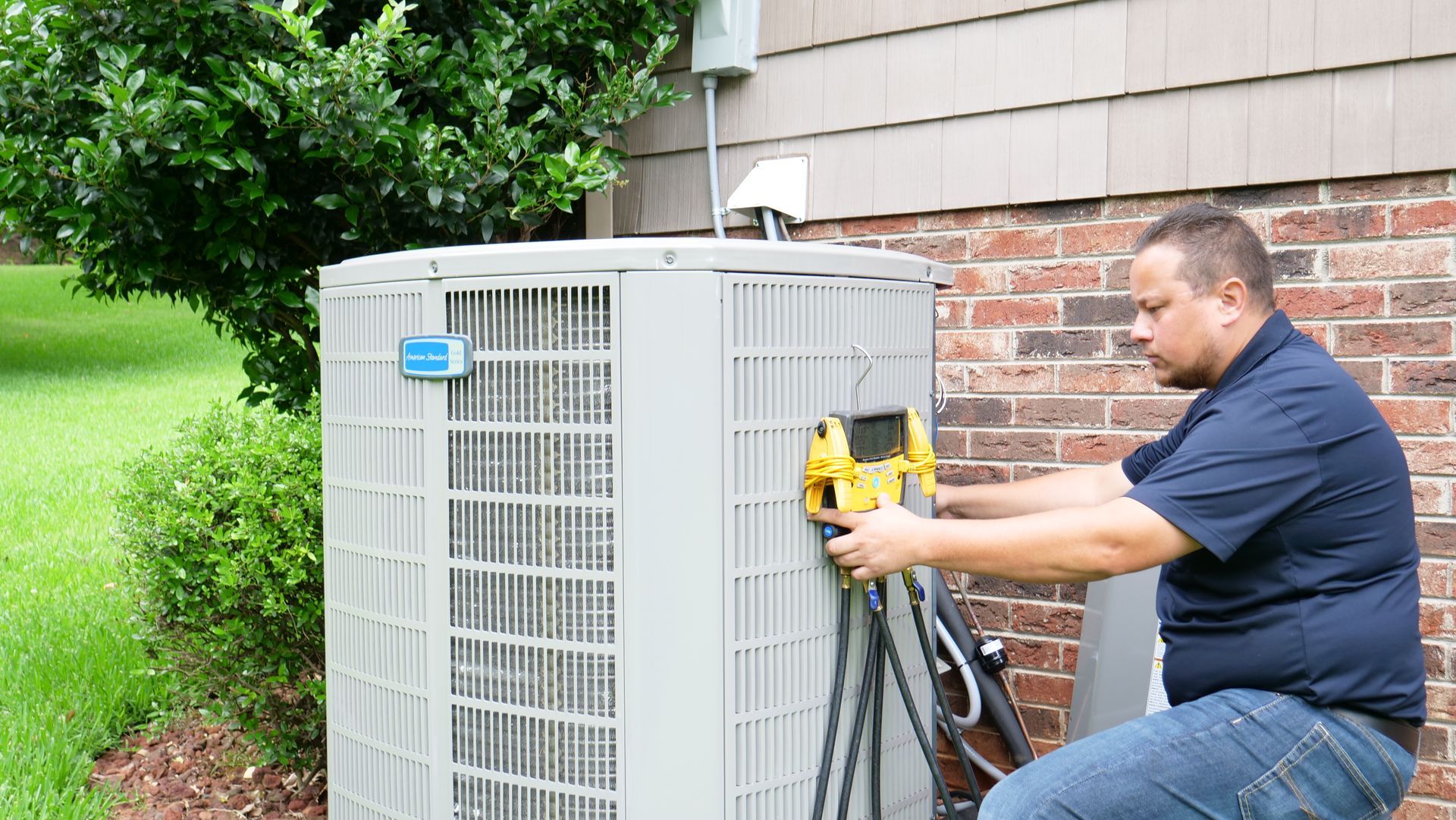

Your Comfort Is Our Business.


When it comes to your HVAC system, trust the service experts at Native Air.

Schedule Service

Native Air

Lowell, NC HVAC Services & Installation

When it comes to your heating and air conditioning service or installation, you can rely on the experts at Native Air. Call today at 704-312-8589 or click the button below for a free replacement estimate.

Free Install Estimate

Your 24/7 Heating & Air Conditioning Contractor.

Our team of heating and air conditioning technicians are here to handle any of your residential or commercial HVAC needs 24/7. Call us today or read more about our heating and air conditioning services below.

Our Recommended Summer Services

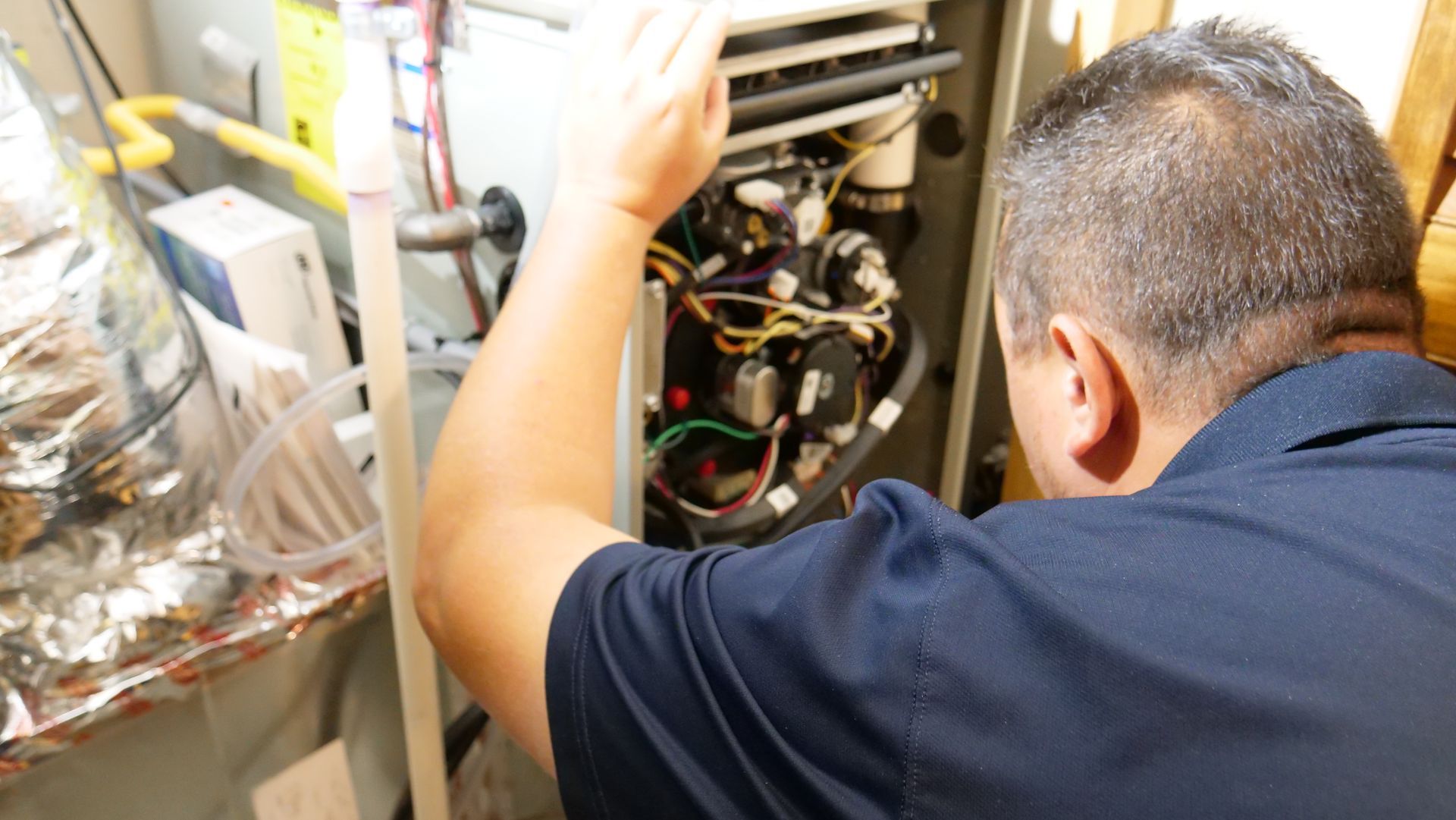
Furnace Service

Air Conditioning Service

Whether you need routine maintenance, repairs, or a full AC replacement, our skilled technicians ensure reliable and efficient cooling solutions. Trust us to keep your AC running at peak performance—contact us today for professional service you can count on!

Learn More
Furnace Repair

Air Conditioning Repair

Whether your air conditioner is making strange noises, not cooling efficiently, or has stopped working altogether, our skilled technicians are ready to diagnose and fix the problem quickly. Contact us today for fast and professional air conditioner repair!

Learn More
HVAC Compressor

Air Conditioning Replacement

Whether you need routine maintenance, repairs, Native Air offers professional air conditioner replacement in Lowell, NC, helping homeowners upgrade to energy-efficient cooling systems for reliable comfort and lower energy costs.

Learn More
HVAC Maintenance

Air Conditioning Maintenance

When it comes to keeping your air conditioner running efficiently and effectively all summer long, AC maintenance is crucial. Trust our experts to keep your cooling system healthy all season long.

Learn More

Delivering Comfort To Your Home When It Matters Most.

How Can We Improve Your Comfort Today?

AC / Heating Maintenance

For your HVAC maintenance needs, count on our team to uphold factory standards, preserving the longevity of your air conditioning and heating equipment.

Maintenance Options

AC / Heating Repair

Allow us to swiftly repair your faulty HVAC system using readily available parts to ensure your comfort is restored promptly. Click on the button below to learn more.

Repair Information

Indoor Air Quality

 When it comes to your indoor air quality, we ensure that your home or workspace is free from pollutants and allergens increasing the health of your indoor conditioned air. Learn more below.

Get Clean Air Today!

AC / Heating Replacement

Replacing your HVAC is never enjoyable. Trust our heating and air conditioning experts to recommend a new HVAC system that fits your budget and comfort needs.

Replacement Information

Keeping You Comfortable Year-Round

HVAC Services - Heating & Cooling
A black and white drawing of a map with a pin on it.

Serving Lowell, Belmont, Gastonia, Stanley NC & Surrounding Charlotte Metro Areas

Your all in one contractor dedicated to delivering comfort to your home or office.

Energy Efficient Equipment Designed To Improve Your Comfort

Reliable HVAC Equipment

The logo for american standard heating and air conditioning
Learn More

American Standard Heating & Air Conditioning equipment provides energy efficient and reliable comfort. Learn more about our HVAC equipment and how it can benefit your home and your energy bill.
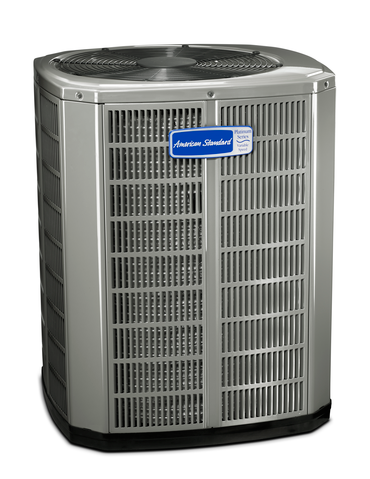

A silver american standard air conditioner on a white background
The logo for mitsubishi electric heating and air conditioning
Learn More

Mitsubishi ductless mini-splits are great energy efficient solutions that allow you to add on more conditioned air for your sun room, garage or your entire home. Learn more about the benefits of ductless HVAC equipment.
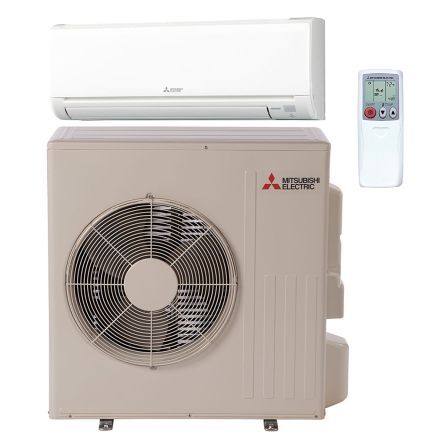
A picture of a mitsubishi air conditioner with a remote control.

Check Out More Learning Resources With Our Blog

HVAC Tips & Blog
September 30, 2026
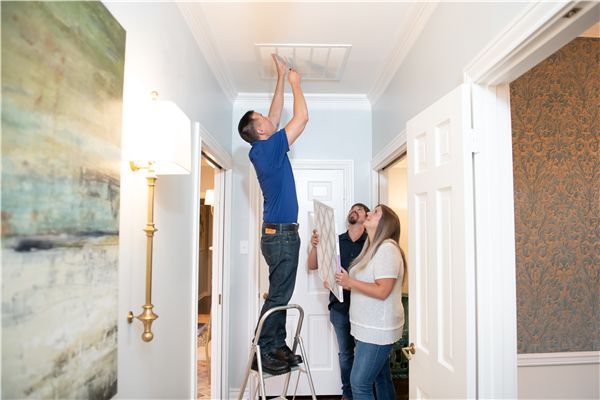
Fall is settling into Lowell, NC, and after months of relying on the air conditioner, cooler mornings and evenings mean many homeowners will soon be turning on the heat for the first time this season. And when you do, you might notice something you weren't expecting: a strange smell coming from your vents. Before you assume something is wrong with your heating system, don't panic. Some odors are completely normal when you first turn on the heat after a long North Carolina summer. Others, however, can be a warning sign that your system needs professional attention. Here's how to tell the difference. Why Does My Heat Smell Like It's Burning? One of the most common smells homeowners notice when turning on their heat for the first time is a dusty or slightly burning odor. During the spring and summer, dust can settle on components inside your heating system. When you turn the heat on for the first time, that accumulated dust heats up and burns off. The result is that familiar "something is burning" smell coming through your vents. In many cases, this is completely normal and should disappear after your heating system has been running for a little while. When a Burning Smell May Be a Problem There's a difference between a temporary dusty smell and a strong or persistent burning odor. If the smell doesn't go away, becomes stronger, or smells more like burning plastic or electrical wiring than dust, turn the system off and have it inspected. Electrical odors can sometimes indicate overheating components, damaged wiring, or another problem that shouldn't be ignored. When in doubt, it's always safer to have an HVAC professional take a look. What About a Musty Smell? If the air coming from your vents smells damp or musty instead of dusty, moisture may be involved. North Carolina's humid summers can create conditions where moisture accumulates in parts of an HVAC system or ductwork. A musty odor could indicate that your system needs cleaning or that there is an underlying moisture issue. If the smell continues after your system has been running, scheduling an HVAC inspection can help determine where it's coming from. Don't Ignore a Rotten Egg or Sulfur Smell If your home uses natural gas and you notice an odor that resembles rotten eggs or sulfur, don't assume it's just your furnace waking up for the season. Natural gas is given a distinctive odor to make potential leaks easier to detect. If you suspect a gas leak, leave the home and contact your gas utility or emergency services from a safe location. Don't attempt to locate or repair the source yourself. Your Ears Can Tell You Something, Too Smell isn't the only thing to pay attention to when you turn on your heating system for the first time. Listen for unusual sounds such as: Grinding Scraping Loud banging Persistent rattling Squealing Repeated clicking You know what your HVAC system normally sounds like. If you suddenly hear something new or unusually loud, having it checked early can help prevent a small issue from turning into a bigger repair. Check Your Air Filter Before Heating Season Gets Underway October is also a great time to take a look at your HVAC filter. Your system worked hard through another hot and humid North Carolina summer, and the filter may be carrying plenty of dust, dirt, and debris from cooling season. A dirty filter restricts airflow and can make your heating system work harder to keep your home comfortable. If your filter looks dirty, replace it with the appropriate filter for your system. Then continue checking it regularly throughout heating season. Test Your Heat Before You Really Need It Don't wait until the first truly cold night in Lowell to find out whether your heat works. Choose a cooler morning or evening this fall and turn your heating system on. Give it enough time to run and pay attention to what happens. Ask yourself: Is warm air coming from the vents? Does the system reach the temperature set on the thermostat? Is airflow consistent throughout the house? Are there any unusual smells or noises? Does the system seem to cycle normally? Testing your heat now gives you time to address a problem before colder weather makes heating your home a necessity. A Little Attention Now Can Prevent a Cold Night Later After spending months focused on keeping your Lowell home cool, it's easy to forget about your heating system until you need it. But fall is the perfect time to make sure everything is ready. If that first heating cycle brings an unusual smell, strange noise, weak airflow, or another problem that doesn't seem right, don't ignore it. Addressing heating issues early can help you avoid an unexpected breakdown when temperatures drop later in the season. Get Your Lowell, NC Heating System Ready for Fall At Native Air, we help homeowners throughout Lowell, Gastonia, Belmont, Mt. Holly, Stanley, and surrounding communities stay comfortable through every North Carolina season. Whether your heating system needs routine maintenance, a repair, or simply a professional inspection before colder weather arrives, our experienced team is here to help. Contact Native Air today to schedule your heating service and make sure your home is ready for the cooler weather ahead.
August 31, 2026
As August turns into September in Lowell, NC, it can feel like your thermostat doesn’t know what season it is. Afternoons can still feel like the middle of summer, while mornings and evenings gradually start becoming more comfortable. You may find yourself adjusting the thermostat more often, opening the windows one evening, and turning the air conditioner right back on the next afternoon. This transition period can be tricky for homeowners—and for your HVAC system. At Native Air, we help homeowners throughout Lowell, Gastonia, Belmont, Mt. Holly, Stanley, and surrounding communities stay comfortable through North Carolina’s changing seasons. Here are a few things to keep in mind as we head toward fall without saying goodbye to summer just yet. Don’t Shut Down Your AC Too Early The calendar may be getting closer to fall, but warm weather can stick around in the Carolinas well into September. If you get a few cooler days, resist the urge to assume your cooling season is officially over. Your air conditioner may still have plenty of work ahead of it, especially when warmer afternoon temperatures return. Continue checking your air filter and paying attention to your system’s performance. After working hard throughout the summer, problems can sometimes appear toward the end of the cooling season. Watch for signs such as: Weak airflow from your vents Rooms that suddenly feel warmer than others Unusual noises when the system starts Frequent cycling on and off Warm air coming from the vents A sudden increase in energy usage A system that made it through June and July can still experience problems after months of heavy use. Be Careful With Constant Thermostat Adjustments During late summer, it can be tempting to continually raise and lower the thermostat as outdoor temperatures change. Instead, try to maintain a comfortable and relatively consistent indoor temperature. If you have a programmable or smart thermostat, creating a schedule can help your HVAC system respond more efficiently to your family's routine. And remember: setting your thermostat significantly lower when you come home to a warm house won't make the air conditioner cool your home faster. It may simply cause the system to run longer. Take Advantage of Cooler Weather—But Watch the Humidity One of the best parts of approaching fall is finally getting an evening when opening the windows sounds appealing. Before turning off the AC, however, pay attention to how it feels outside. An evening may be cooler while still carrying plenty of moisture. Bringing humid outdoor air into the house can leave your home feeling sticky and may cause your air conditioner to work harder once you close the windows again. When conditions are comfortable and less humid, giving your AC a break can be great. On muggy days, keeping the windows closed and letting your HVAC system manage both temperature and moisture may keep your home more comfortable. Give Your Outdoor Unit a Quick Check Late summer can leave plenty behind around your outdoor HVAC equipment. Grass clippings, weeds, leaves, and other debris can collect around the condenser and restrict airflow. Take a few minutes to look around your outdoor unit and make sure it has plenty of clear space. Avoid placing landscaping, outdoor furniture, or other items too close to the equipment. Good airflow helps your system operate efficiently during the remaining hot days of the year. Don't Forget About Your Air Filter After a long summer of frequent AC operation, now is a great time to check your HVAC filter. A dirty filter restricts airflow and can make your system work harder than necessary. Depending on your filter, household, pets, and HVAC usage, it may need to be replaced more frequently than you expect. If you can't remember the last time you checked it, now is a good time. Pay Attention Before Heating Season Arrives Late summer is also a useful time to notice anything that doesn't seem quite right with your HVAC system. Maybe your energy bills were unusually high this summer. Perhaps one room never cooled properly, your system seemed louder than usual, or the AC ran constantly without keeping you as comfortable as it used to. Don't automatically forget about those problems once cooler weather arrives. They may point to airflow issues, aging equipment, thermostat problems, ductwork concerns, or other issues worth addressing. Taking care of them during the transition between seasons can help you head into the next heating and cooling season with greater peace of mind. Stay Comfortable Through the End of Summer Fall may be getting closer, but anyone who has lived in North Carolina knows summer doesn't always leave quietly. A little attention to your HVAC system now can help keep your home comfortable through the remaining warm weather while preparing you for the cooler months ahead. If you've noticed unusual noises, weak airflow, inconsistent temperatures, or other changes in your system's performance, Native Air is here to help. We proudly provide HVAC maintenance, repair, replacement, and installation services to homeowners throughout Lowell, Gastonia, Belmont, Mt. Holly, Stanley, and surrounding areas. Contact Native Air today to schedule your HVAC service and keep your home comfortable—no matter what the North Carolina weather decides to do next.
July 29, 2026
Summer in Lowell, NC doesn't just bring heat and humidity—it also brings afternoon thunderstorms, lightning, and the occasional power outage. While most homeowners think about keeping flashlights and batteries on hand, many don't realize that severe weather can also impact their heating and cooling system. At Native Air, we help homeowners throughout Lowell, Gastonia, Belmont, Mt. Holly, and surrounding communities keep their HVAC systems running efficiently all summer long. Here are a few simple ways to protect your investment before and after a summer storm. Why Summer Storms Can Affect Your HVAC System Lightning strikes, sudden power interruptions, and electrical surges can all place stress on your heating and cooling equipment. Even if your air conditioner appears to restart normally, electrical components such as capacitors, circuit boards, or compressors can sometimes be damaged during a significant surge. Fortunately, a few preventative steps can reduce the risk. Before a Storm Arrives: Replace Dirty Air Filters A clean air filter helps your system breathe easier during the hottest part of the summer. If your air conditioner has to work harder because of restricted airflow, it may be under additional strain during periods of extreme weather. Keep the Outdoor Unit Clear Walk around your outdoor condenser and remove any loose branches, lawn furniture, toys, or other objects that could become airborne during strong winds. Flying debris can damage the unit or restrict airflow afterward. Consider Surge Protection Whole-home or dedicated HVAC surge protectors can help shield sensitive electrical components from voltage spikes caused by lightning or utility interruptions. Ask your HVAC professional if surge protection is a good option for your system. What To Do After the Power Comes Back On Give Your System a Few Minutes Many modern HVAC systems include a built-in delay before restarting. This protects the compressor from immediate restart after a power interruption. Resist the temptation to repeatedly adjust your thermostat if the system doesn't start immediately. Listen for Unusual Sounds Once your air conditioner begins running again, pay attention to any grinding, buzzing, rattling, or clicking noises. These could indicate a component that was affected during the outage. Make Sure It's Cooling Properly After the system has been running for 15 to 20 minutes, check that cool air is coming from your vents and that your home is beginning to reach the thermostat setting. If temperatures continue climbing or airflow seems weak, it's time to have the system inspected. Contact an HVAC technician if you notice: The outdoor unit won't start after power is restored. Your circuit breaker continues to trip. Warm air is coming from the vents. The system repeatedly turns on and off. You notice burning odors or unusual electrical smells. Your thermostat is displaying an error message. Addressing these issues early may prevent more extensive repairs later. Stay Prepared All Summer Long North Carolina summers can be unpredictable, but a little preparation goes a long way. Keeping your HVAC system maintained, protecting it from electrical surges, and knowing what to watch for after a storm can help extend the life of your equipment and keep your family comfortable when temperatures climb. If your air conditioner isn't performing normally after a summer storm, or if it's simply due for a seasonal inspection, Native Air is here to help. Our experienced technicians proudly serve homeowners throughout Lowell, Gastonia, Belmont, Mt. Holly, Stanley, and nearby communities with reliable HVAC maintenance, repairs, and system evaluations. Contact Native Air today to schedule your service appointment and enjoy dependable comfort through the rest of the North Carolina summer.
Show More