
Summer Storms in North Carolina: How to Protect Your HVAC System Before and After a Power Outage
Summer in Lowell, NC doesn't just bring heat and humidity—it also brings afternoon thunderstorms, lightning, and the occasional power outage. While most homeowners think about keeping flashlights and batteries on hand, many don't realize that severe weather can also impact their heating and cooling system. At Native Air, we help homeowners throughout Lowell, Gastonia, Belmont, Mt. Holly, and surrounding communities keep their HVAC systems running efficiently all summer long. Here are a few simple ways to protect your investment before and after a summer storm.
Why Summer Storms Can Affect Your HVAC System
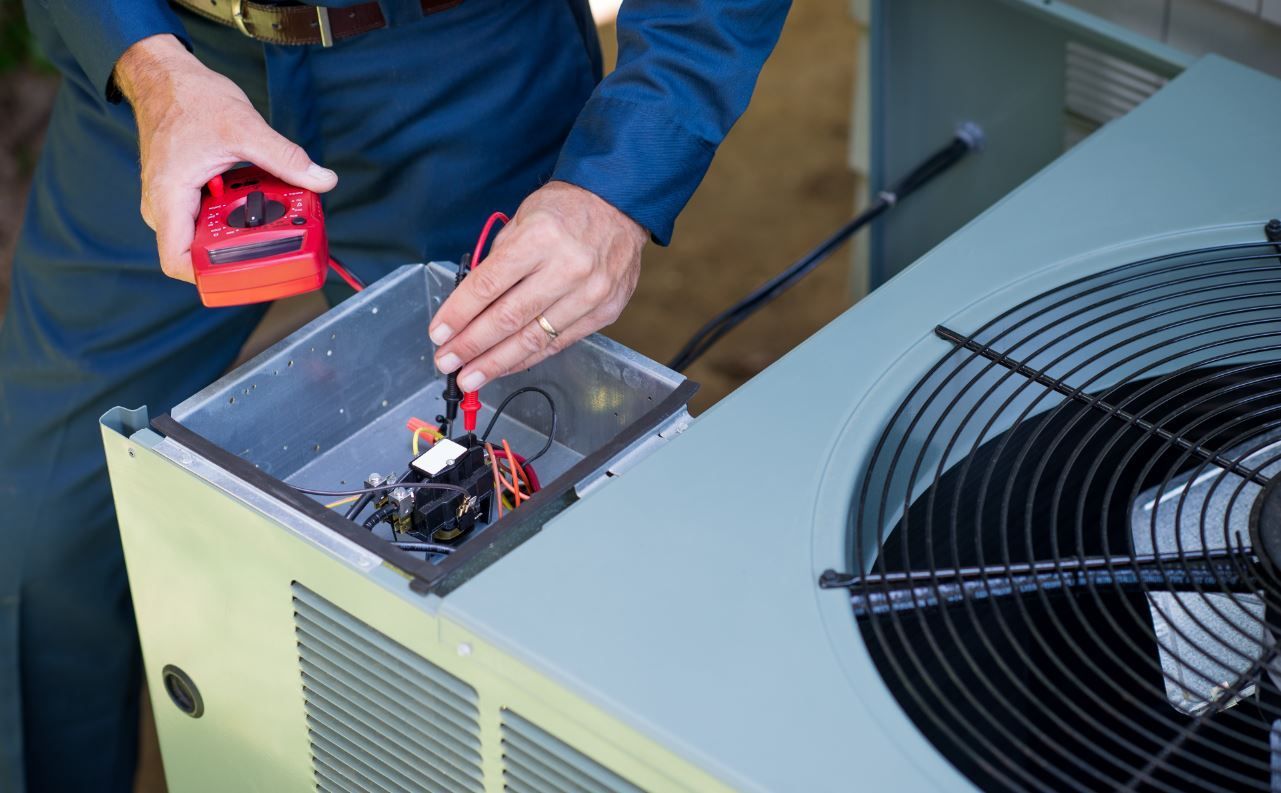
Lightning strikes, sudden power interruptions, and electrical surges can all place stress on your heating and cooling equipment. Even if your air conditioner appears to restart normally, electrical components such as capacitors, circuit boards, or compressors can sometimes be damaged during a significant surge. Fortunately, a few preventative steps can reduce the risk. Before a Storm Arrives:
Replace Dirty Air Filters
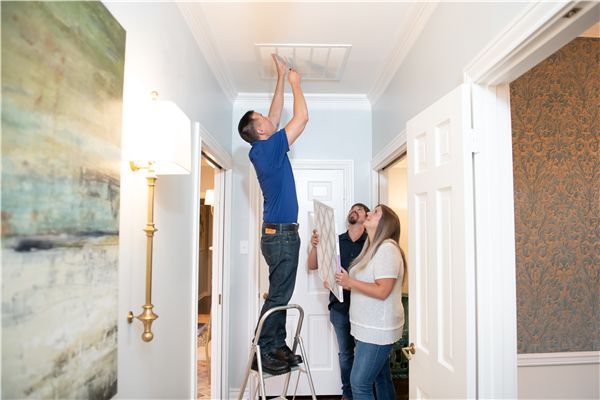
A clean air filter helps your system breathe easier during the hottest part of the summer. If your air conditioner has to work harder because of restricted airflow, it may be under additional strain during periods of extreme weather.
Keep the Outdoor Unit Clear
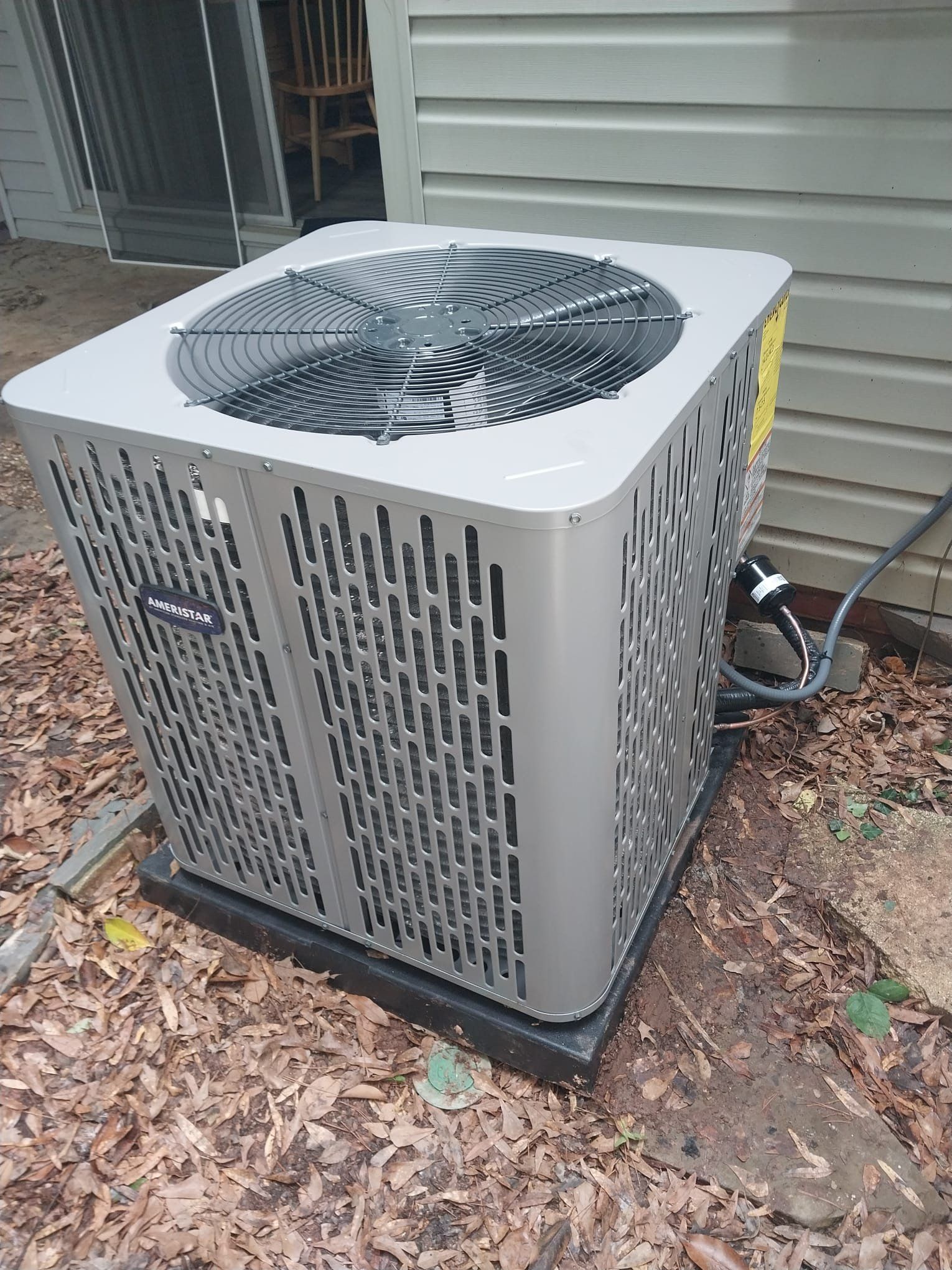
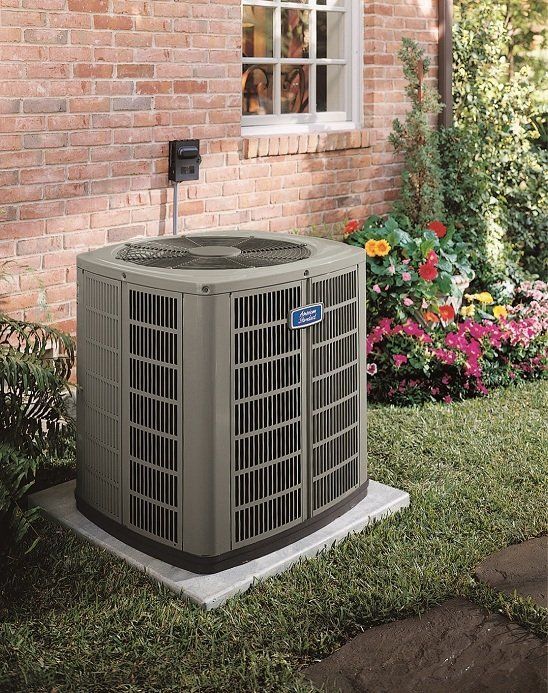
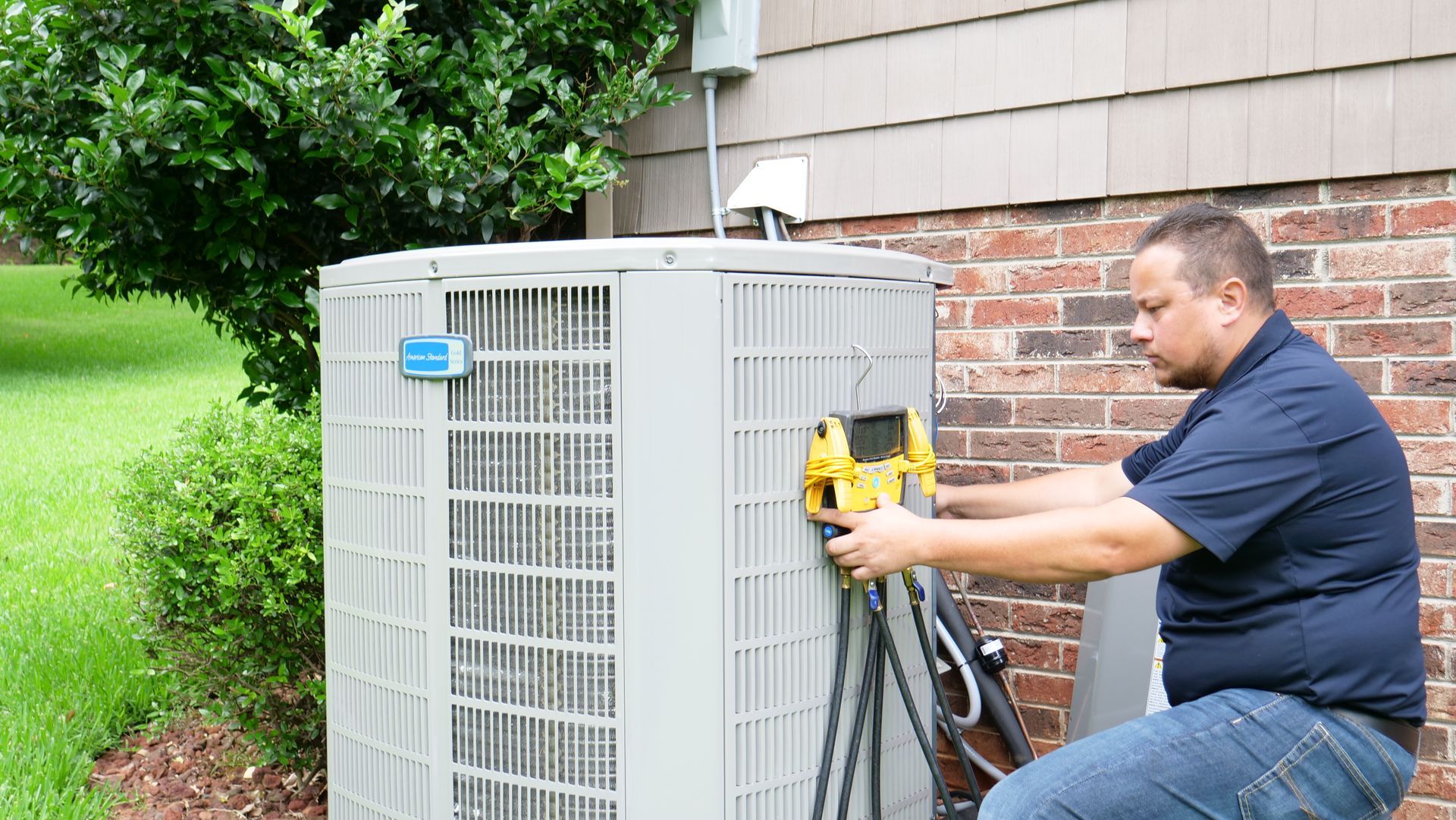
Walk around your outdoor condenser and remove any loose branches, lawn furniture, toys, or other objects that could become airborne during strong winds. Flying debris can damage the unit or restrict airflow afterward.
Consider Surge Protection
Whole-home or dedicated HVAC surge protectors can help shield sensitive electrical components from voltage spikes caused by lightning or utility interruptions. Ask your HVAC professional if surge protection is a good option for your system.
What To Do After the Power Comes Back On
Give Your System a Few Minutes
Many modern HVAC systems include a built-in delay before restarting. This protects the compressor from immediate restart after a power interruption. Resist the temptation to repeatedly adjust your thermostat if the system doesn't start immediately.
Listen for Unusual Sounds
Once your air conditioner begins running again, pay attention to any grinding, buzzing, rattling, or clicking noises. These could indicate a component that was affected during the outage.
Make Sure It's Cooling Properly
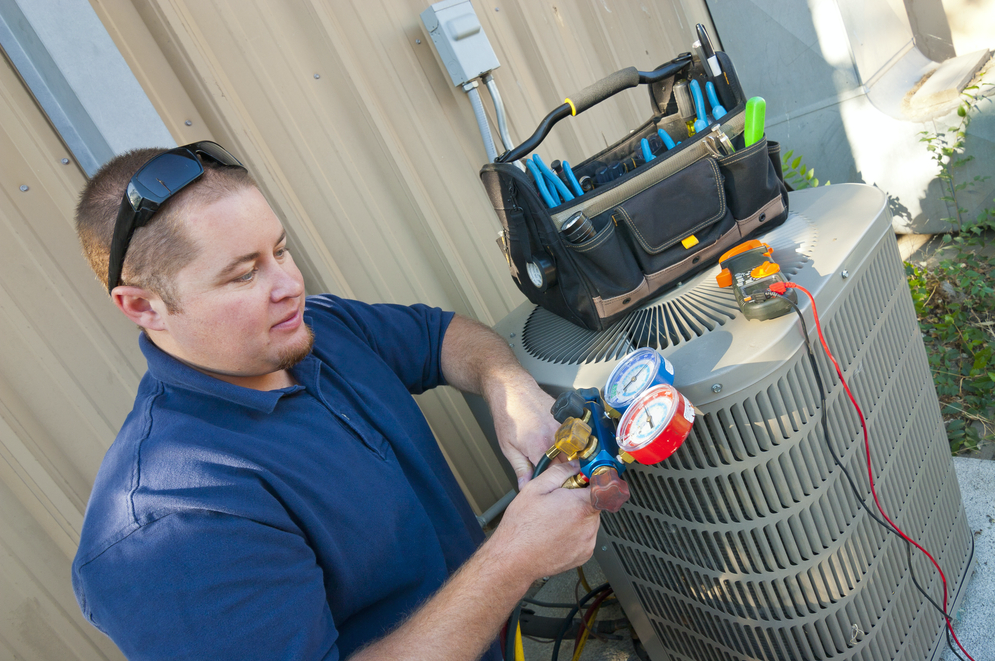
After the system has been running for 15 to 20 minutes, check that cool air is coming from your vents and that your home is beginning to reach the thermostat setting. If temperatures continue climbing or airflow seems weak, it's time to have the system inspected.
Contact an HVAC technician if you notice:
- The outdoor unit won't start after power is restored.
- Your circuit breaker continues to trip.
- Warm air is coming from the vents.
- The system repeatedly turns on and off.
- You notice burning odors or unusual electrical smells.
- Your thermostat is displaying an error message.
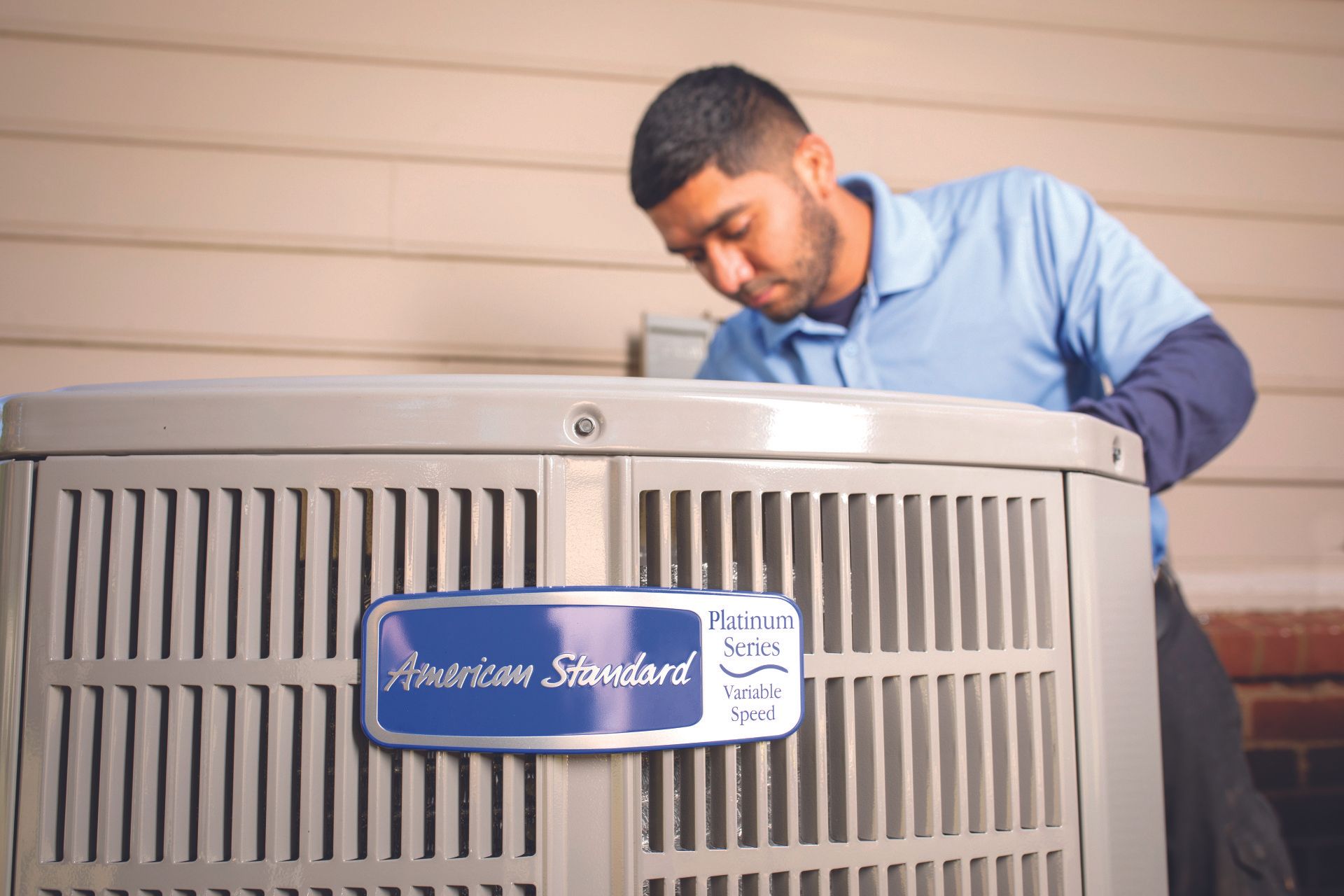
Addressing these issues early may prevent more extensive repairs later.
Stay Prepared All Summer Long
North Carolina summers can be unpredictable, but a little preparation goes a long way. Keeping your HVAC system maintained, protecting it from electrical surges, and knowing what to watch for after a storm can help extend the life of your equipment and keep your family comfortable when temperatures climb. If your air conditioner isn't performing normally after a summer storm, or if it's simply due for a seasonal inspection, Native Air is here to help. Our experienced technicians proudly serve homeowners throughout Lowell, Gastonia, Belmont, Mt. Holly, Stanley, and nearby communities with reliable HVAC maintenance, repairs, and system evaluations. Contact Native Air today to schedule your service appointment and enjoy dependable comfort through the rest of the North Carolina summer.